

Neuro-potential for Organisations is a 3 month consultancy partnership that gives your managers a clear, repeatable system for identifying and implementing effective support for neurodivergent staff that is bespoke to your organisation and practical enough to use from day one.
Built for SME’s with 50-250 employees, delivered in person by our founder Steph Nelson.
Investing in this programme will give you everything that you need to take back to your organisation in order to effectively translate your policy into practice that actually reduces absence, attrition and tribunal risk. This is the answer in a box ( or a 3 month training programme).
Investment: £1897 per delegate
To view packages for more delegates please view this page.
Trusted by:


Everything within this training programme comes from someone who has a unique mix of experience.
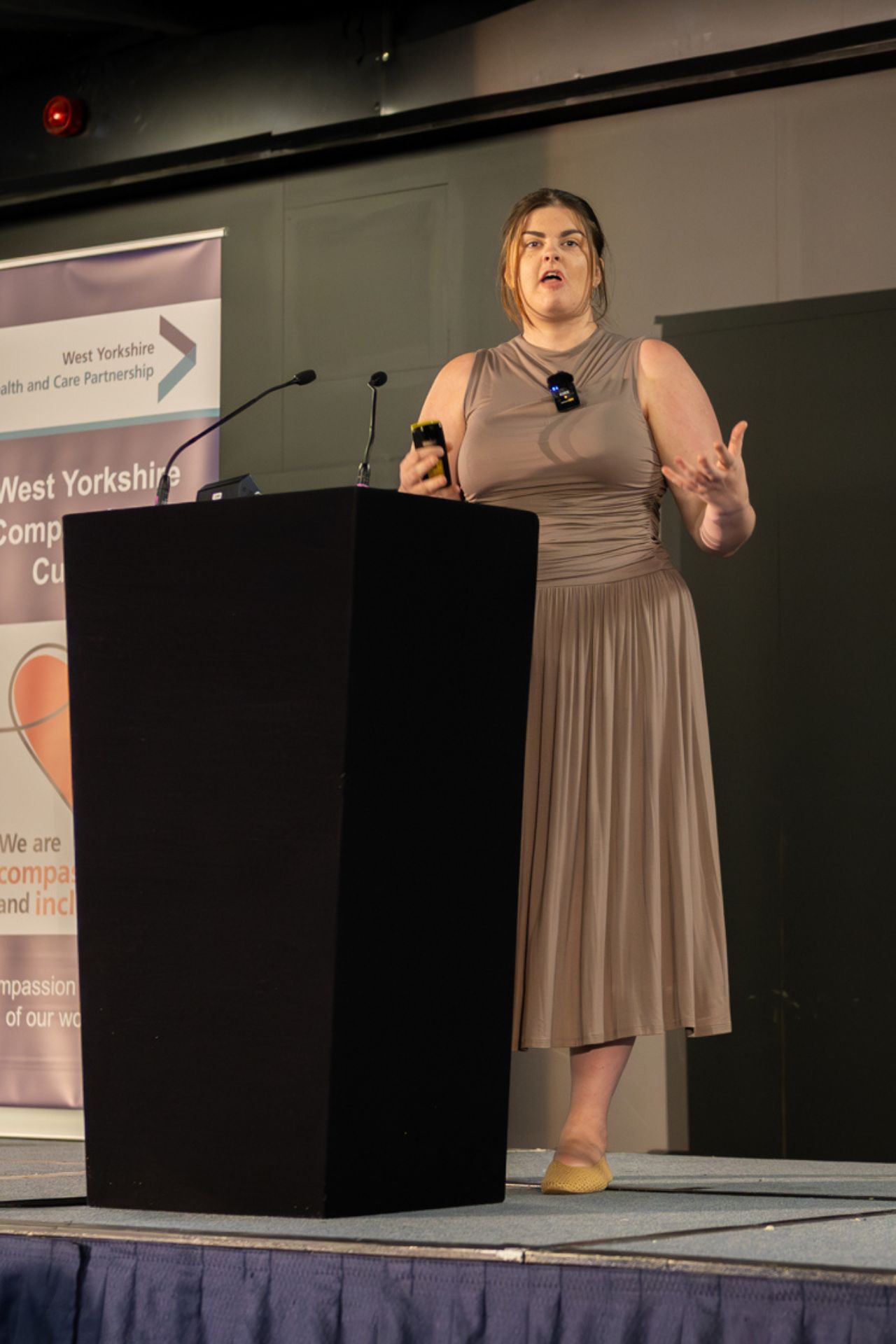
Not only have I spent years studying the organisational psychology and neuroscience to understand neurodivergence in the work place. But I have also been on the other side of it.
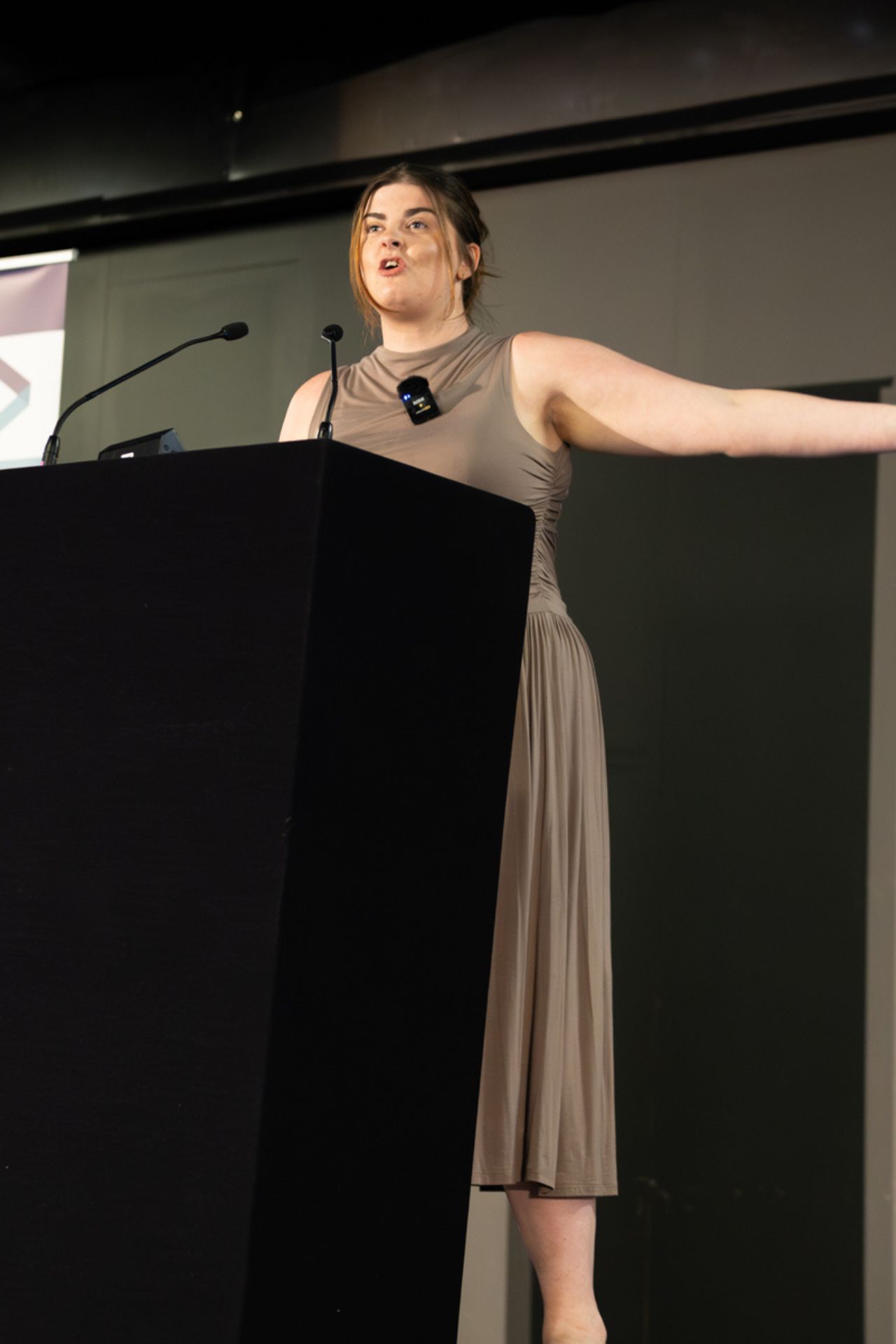
I know intimately what it is like to grapple with high potential and a workplace that doesn't match how your neurodivergent brain works.
Seven years in the classroom dealing with a wide range of complex needs and backgrounds taught me how people learn and cope under pressure. But most importantly it sent me on a journey to understand how a neurodivergent professional CAN thrive in the workplace.
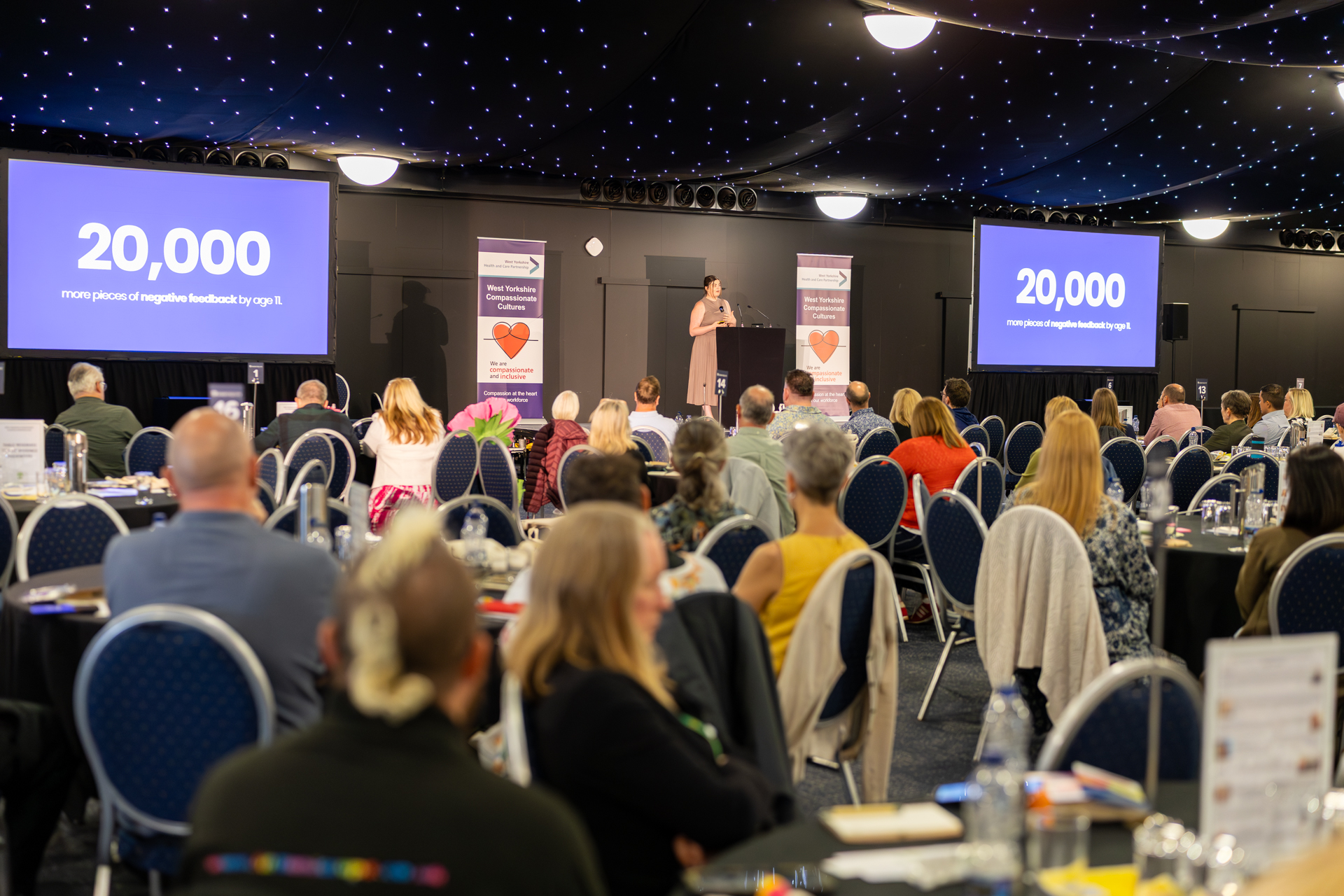
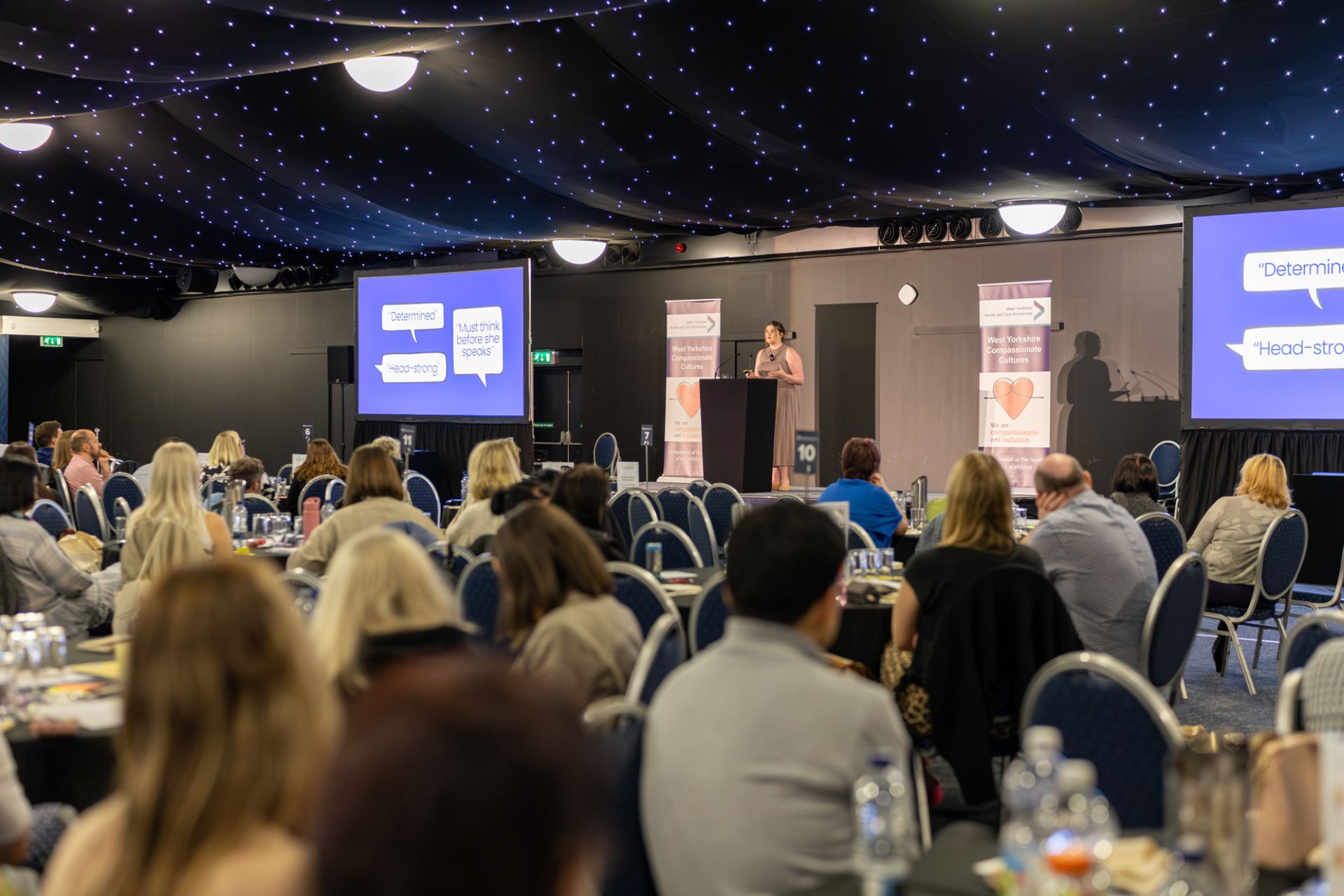
The past 2 years since have been spent turning that experience into a system organisations can actually use, tested at a scale most consultants in this space haven't been near. But my goodness what an incredible 2 years it has been including...
Identify, Support and Empower isn't just The Neuro-Potential™ process, it's how we design our training packages too.
From our seven years of experience as a teacher and curriculum leader we know how learning happens and what is needed to actually turn your policy into practice.
This is how we've broken down the programme.
This is where we find out what's actually happening in your organisation, before a single manager sits in a room.
This is where your managers get the actual tools and skill to do a good job, not just the theory behind it.
This is the confidence piece: managers leaving knowing they can actually do this well, and knowing they can carry it forward inside your organisation without you needing to be in the room every time.

These aren't just nice-to-haves, they are essential metrics to the longevity and success of your organisation.
Replacing just one employee is estimated to cost between 50% and 200% of their salary, averaging around £30,000 once you factor in recruitment, onboarding, and the productivity gap while someone new gets up to speed. With 45% of neurodivergent leaving roles for issues directly linked to their neurodivergence, this is a financial risk no organisation can afford to ignore.
Every manager who has the knowledge, skills and resources to tackle this is protecting your organisation against that unnecessary bill.
Need the full business case to justify this investment to your budget holders? Click the button below to download.
It’s a 30-minute diagnostic conversation, not a sales call. I ask questions about what’s specifically happening in your organisation such as the patterns you’re seeing, the friction points and where the gap between your policy and day-to-day practice really sits. You don’t need to prepare anything specific. You’ll leave with more clarity than you came in with, and a clear sense of whether the training is the right fit.
Awareness training tells your managers what neurodivergence is. This trains them in a process for doing something about it. The distinction matters because knowing what ADHD is doesn’t tell you what to do when a staff member is struggling. CREATE gives managers a repeatable system they can use every time, shaped around your specific context so it reflects the situations they’re actually dealing with.
Yes. If you have a larger management population, get in touch on the consultation call and we’ll work out what makes sense for your organisation. We also deliver consultancy packages on a case by case basis with experience of designing bespoke products for organisations with a 60,000 strong workforce.
CPD accreditation is in progress. If this is a requirement for your organisation, mention it on the consultation call and I’ll give you an update on timelines.
The consultation call is specifically there to make sure it is before anything is booked. If the training isn’t the right solution for where your organisation is right now, I’ll tell you that on the call.
Most HR managers aren’t the only decision-maker here. If you need to make the case internally, here’s the commercial argument in plain language.
The direct cost of replacing one employee is estimated at between 50% and 200% of their annual salary. This averages around £30,000 when you factor in recruitment, onboarding, and the productivity gap whilst someone new gets up to speed.
The stark reality is that 45% of neurodivergent people have lost or left a job due to being misunderstood at work, and neurodiversity-related employment tribunals rose 95% between 2020 and 2025. These are both things that have a significant negative impact on your organisation and more importantly are things that can actually be mitigated.
One retained employee pays for this training many times over, even before you factor in the reduction in absence costs,tribunal risk, and the productivity gains from managers who actually know how to support their teams.
This is a clear commercial case for investment.
If it would help to have something to share with your leadership team, reply to the consultation call confirmation email and I’ll send you a one-page business case you can use internally.
Steph delivers all training personally. When you invest in this programme you’re getting someone who has spent seven years studying this subject, has lived experience of ADHD and autism, and has delivered across organisations including a 60,000-strong workforce. You’re not getting a junior associate reading from a slide deck.
It’s a 90 minute call with whoever owns HR or people development in your organisation. We use it to understand your context: what’s already been tried, where the real pressure points are, which teams or managers the training needs to be most useful for, and what sector-specific challenges we need to build in. Everything from that conversation shapes the training so it’s relevant to your people, not built for a hypothetical workforce.
Yes, and this situation is more common than most organisations realise. Research suggests that 15 to 20% of any workforce is neurodivergent, and the majority haven’t disclosed, usually because experience has taught them it’s safer not to. The Neuro-Potential Approach is built to support managers in identifying friction points and having the right conversations before a formal disclosure, which is often where the most damage is done or prevented.
This programme is designed for organisations with roughly 50 to 250 employees: large enough to have team structures and management layers where these issues show up, small enough that bespoke and personal still makes sense. If you’re significantly outside that range, get in touch and we’ll be honest about whether this is the right fit or whether a different approach would serve you better.
Yes. You can split the investment into two payments:
£948.50 to secure your place and the remaining £948.50 within 30 days.
The seven-module e-learning package is included with lifetime access, which means new managers can work through the full programme independently when they join. The resource bank, conversation scripts, and adjustment guides are all there too. You’re not starting from scratch every time your team changes.
We’ve already done awareness training. Is this going to cover the same ground?
No. Awareness training tells your managers what neurodivergence is. This teaches them what to do. If your managers can already name the conditions and explain what task initiation difficulty looks like, that’s a starting point, not a destination. The Neuro-Potential Approach picks up from there and gives them the conversations, the tools, and the confidence to actually act on what they know.