



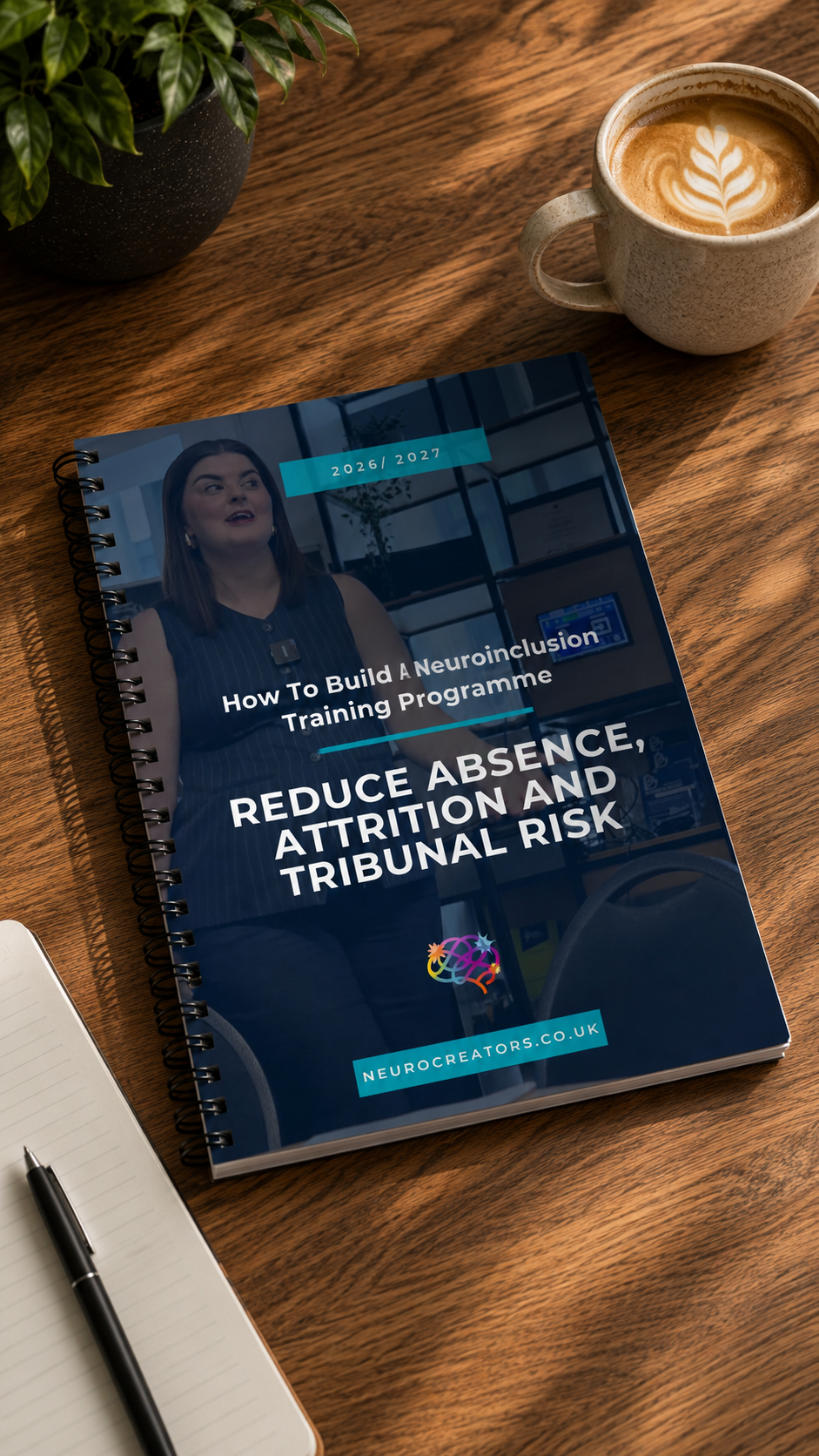
Neurocreators LTD Trusted By:


Neuroinclusion Training Built On Evidence, Translated For Your Managers
The principles and processes shared within this guide is backed by 4 years of study into psychology and neuroscience and 7 years of teaching experience understanding how to develop curriculum that translates knowledge into skills.
Everything that has been shared has been tested at scale with hands on consulting experience as demonstrated below.
Consulting experience for organisations with over 60,000 staff.
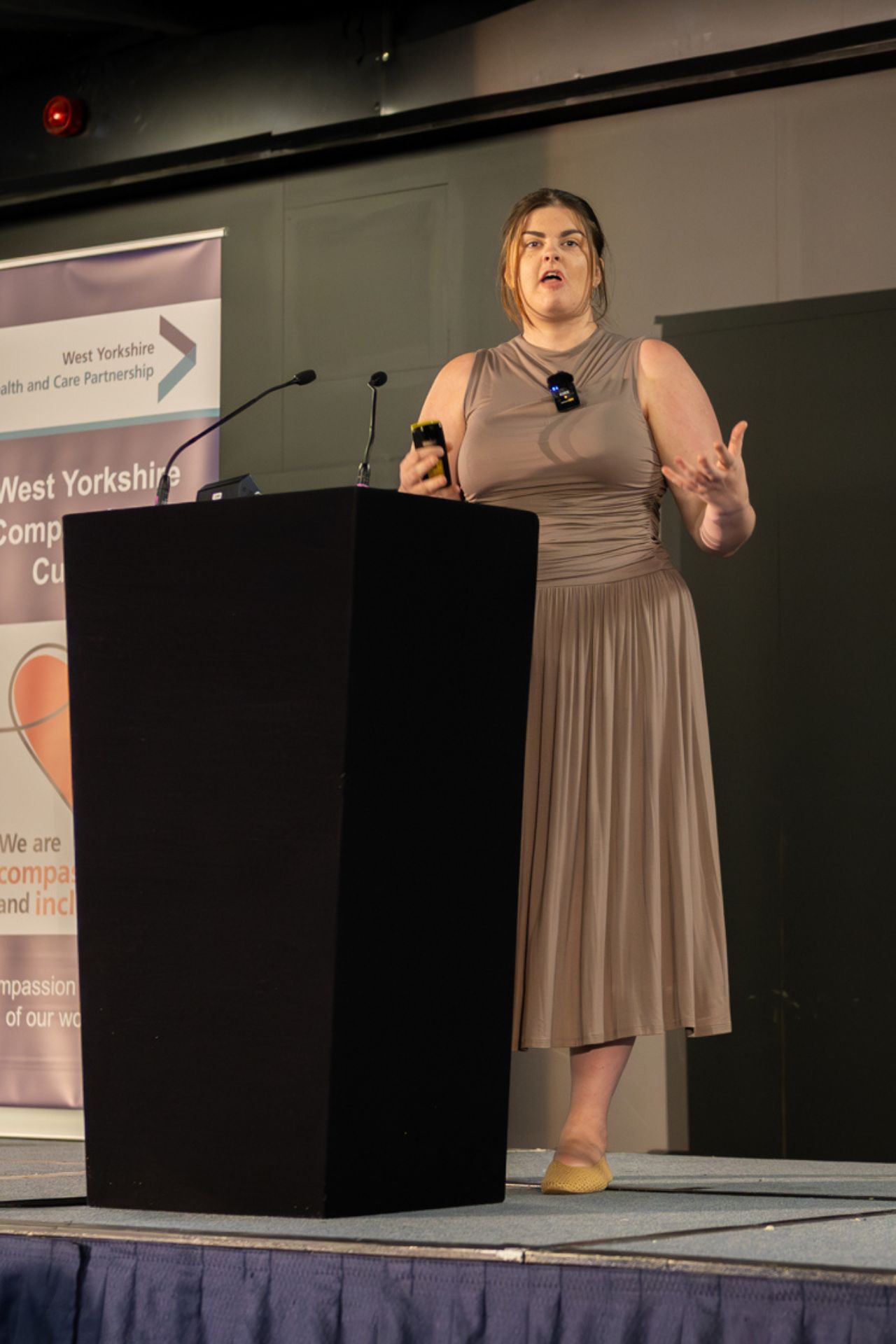
Keynotes and workshops delivered to audiences of 450 delegates
Keynotes and workshops delivered to audiences of 450 delegates
Most neurodiversity training gives managers knowledge but it doesn't give them a clear process. That's the reason the numbers rarely move.
There's a significant gap between knowing a thing and being able to do a thing, and that gap is what's costing you.
Inside the guide I break down the three things a programme has to include before it actually impacts on results.
That structure comes from seven years designing curriculum as a secondary school teacher, applied to neuroinclusion consulting in organisations with workforces of over 60,000 staff.

Knowing about a handful of conditions isn't the same as being able to do anything with that knowledge.
This guide clearly sets out all seven competencies and what each one is specifically doing to reduce absence, attrition and tribunal risk.
It is designed to save you from having to work out the legislation, the research and case law yourself.