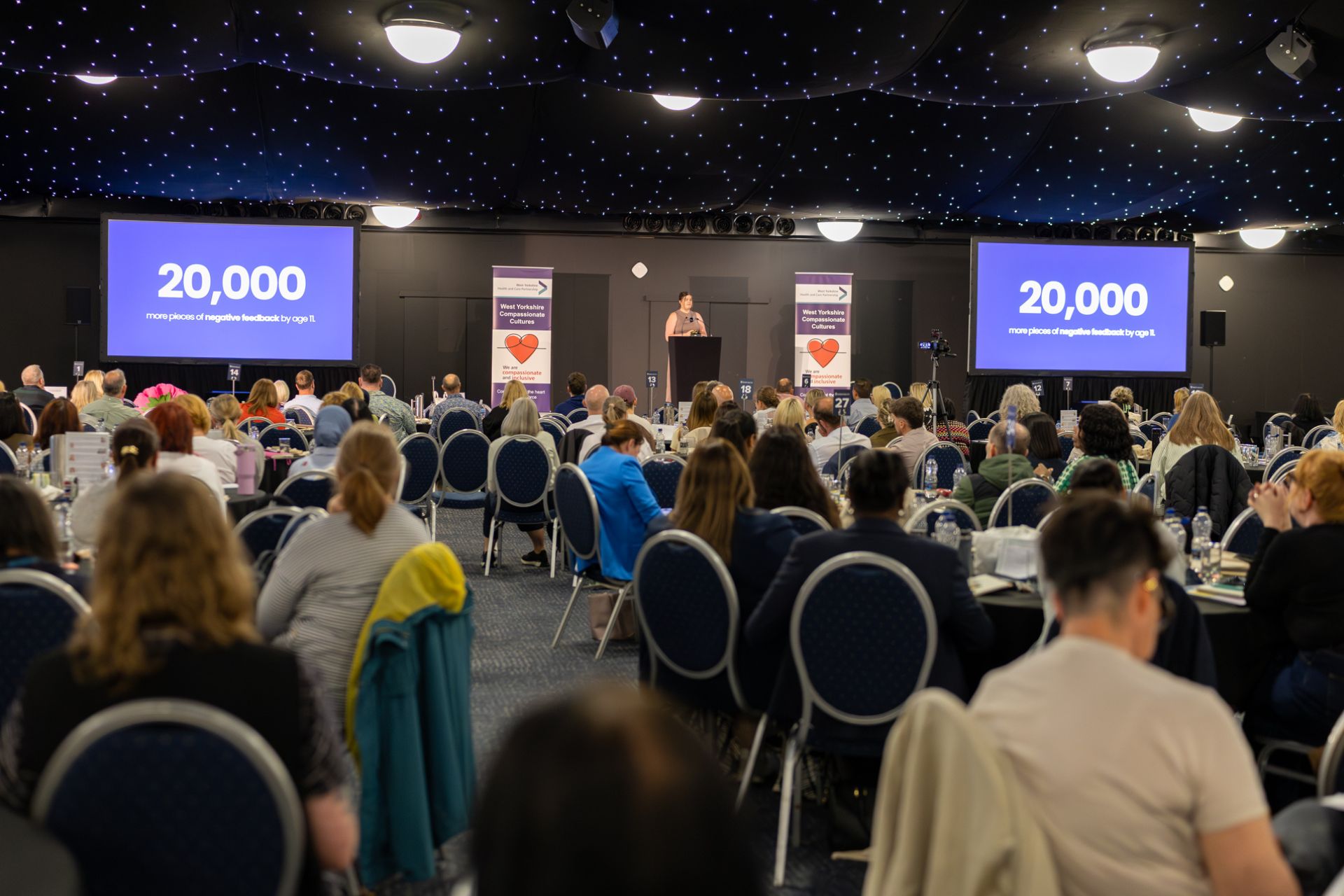



Our Big Promise To You
Join us in person this October to learn how to identify and implement effective reasonable adjustments for neurodivergent staff.
So That You Can...
Reduce Neurodivergence Related Absence
Reduce Neurodivergence Attributed Attrition
Protect Yourself From Tribunal Risk And Costs
But More Importantly...
So that you can leverage the Neuro-Potential™ of your staff and empower them to make meaningful impact on your service users.
Event Dates;
How Familiar Does This Sound?
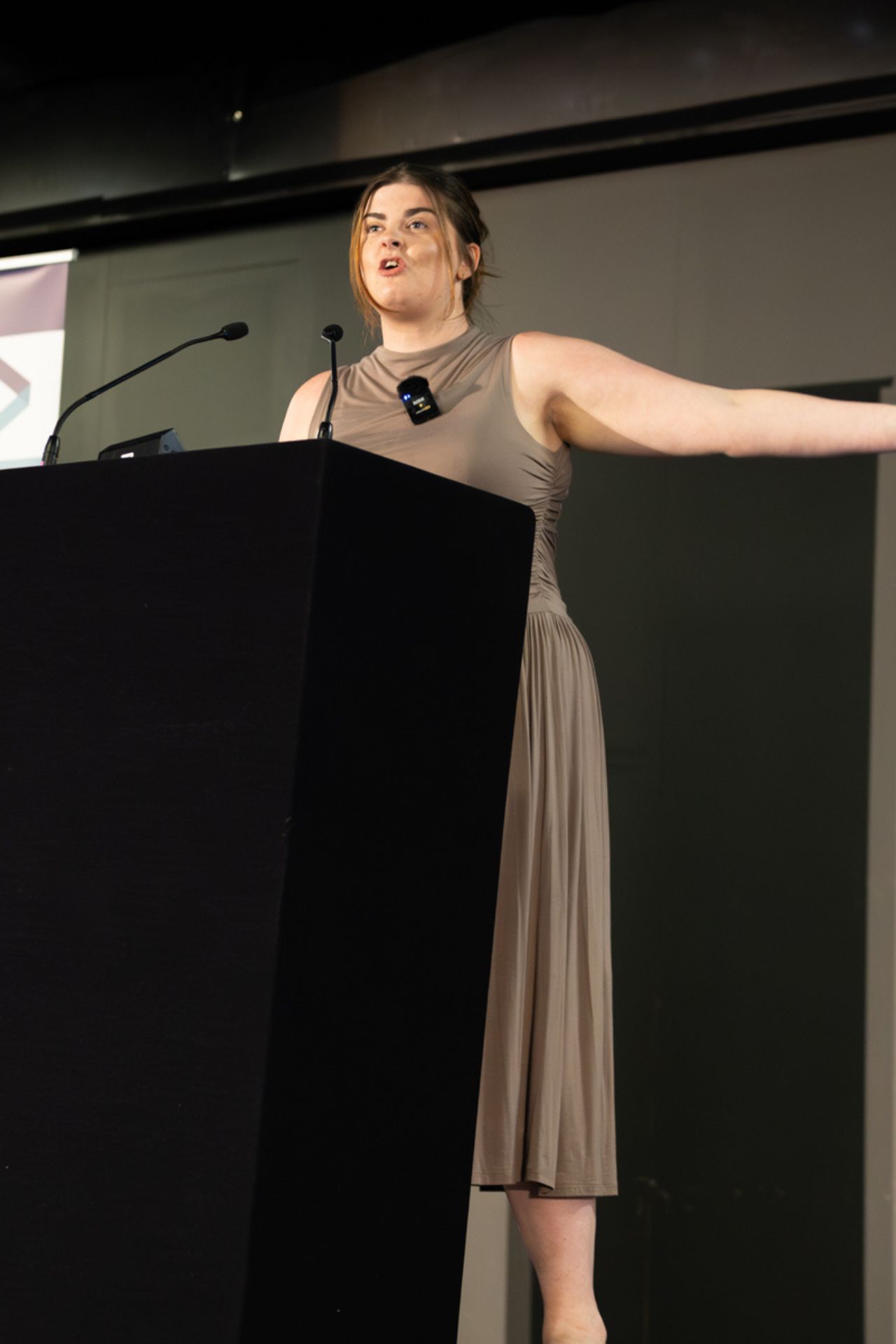
You organisation already has all the bells and whistles.
An EDI policy, an absence policy, performance management systems and an LMS brimming with awareness E-Learning.
But here's what none of that is showing you...
If any of that felt like I've been reading your diary then , you're exactly who this session is for.
Because nobody's ever actually shown you what effective neuroinclusion looks like in those exact moments, and we're here to change that.
Why Is This So Much More Than Just Another Neurodiversity Awarness Session
Awareness alone was never going to give you the answers, we're so far past that at this point.
The way that we see it, leveraging Neuro-Potential™ is like going over a bridge.
Right now most organisations are standing on one side of bridge. That side is all about reactive tactics by identifying a problem only when it reaches crisis point and then scrambling to support it. This is completely necessary work, but it's only half the picture, and it's the strategy that keeps you firefighting and lets be honest exhausted!
The other side of the bridge is where organisations stop reacting to individual problems and start building a culture that lets every brain in the building do its best work, not just the ones you've had to make a formal adjustment for.
We call that Neuro-Potential™, it's grounded in real neuroscience and organisational psychology, not just good intentions.
This session is designed to clearly show you how to actually walk over that bridge.
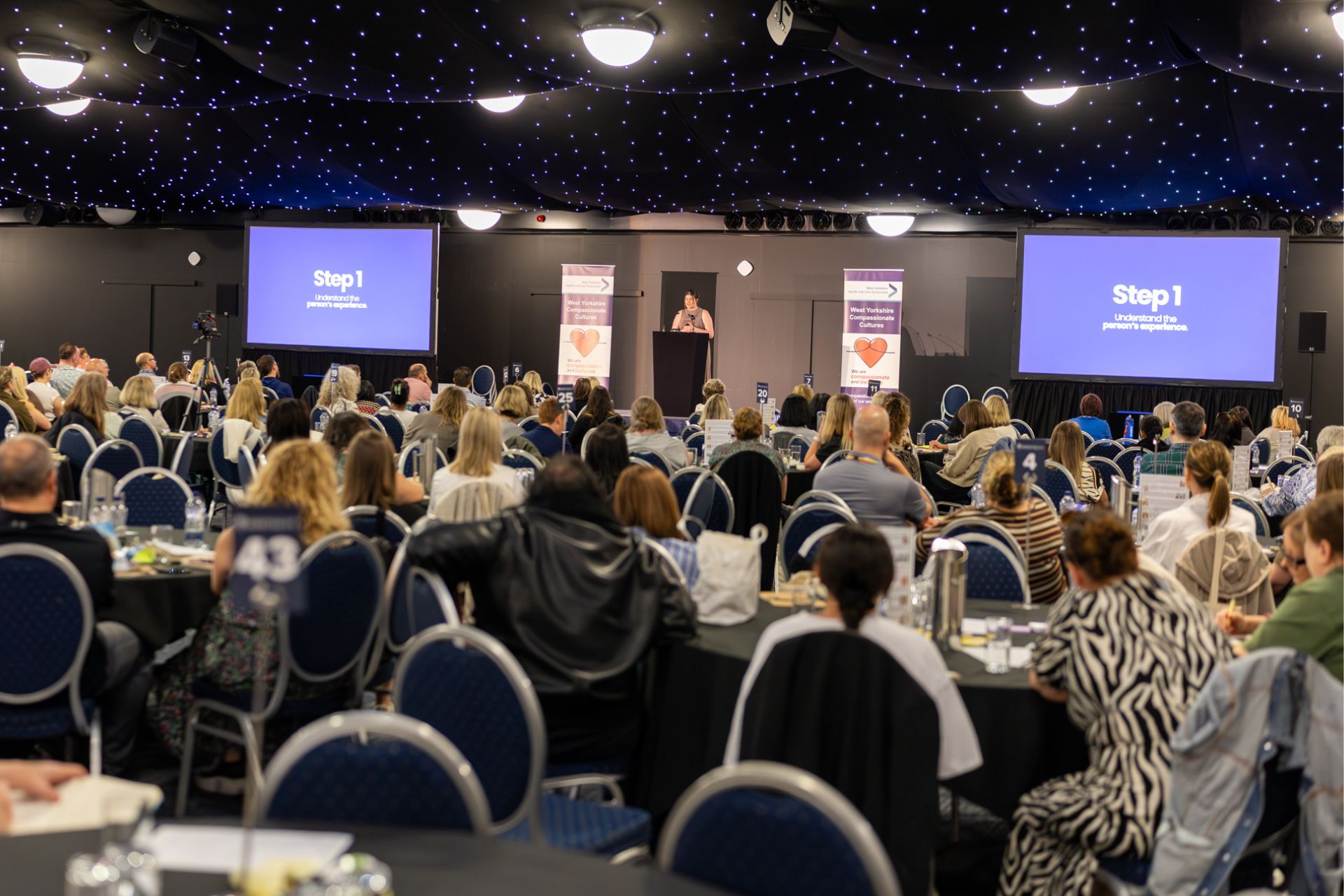
In Order To Learn How to Implement Effective Reasonable Adjustments That Unlock the Neuro-Potential™ of Your Workforce, You Must Know...
By the end of this 2 hour session you will ;
What
Exactly what you are trying to achieve through implementing neuroinclusion, because reducing absence and risk is only half the goal, there's a bigger, more valuable outcome waiting on the other side of it.
Who
Have a clear roadmap to implementing effective neuroinclusion that overcomes specific barriers on a person by person basis rather than a corporate policy that gathers dust on the intranet and doesn't actually create results.
Why
Know the real cost you are leaving on the table is you are not implementing neuroinclusion effectively including the data behind absence, attrition and tribunal risk.
How
Know exactly what it actually takes to cross the bridge including the difference between awareness training and something that actually translates the policy into practice.
Trusted by:


Why is Neuroinclusion a strategic priority?
The maths doesn't lie. This isn't scare tactics, it's being really honest about what could be possible for your organisation if you weren't bleeding money that could be invested to more effective uses.
Here's a quick look at what those costs could be.
£45,000 is the average tribunal award for a disability discrimination claim, before legal fees, HR time and internal disruption are even counted.
Claims involving neurodiversity have nearly doubled in the past year alone.
51% is the proportion of neurodivergent employees who've taken time off specifically because of their neurodivergence, according to City & Guilds' 2025 research.
This is a huge potential risk for something that has a practical soloution.
£547 is the average direct cost of a single day of unplanned absence, per employee, in the UK.
If 1 in 7 of your staff are neurodivergent (and the research says they are), that's a massive bill before you add the cost of cover, effects on productivity and the HR time dealing with it.

October is ADHD Awareness Month.
This timing isn't a coincidence.
Between 2020 and 2026 there's been a 694% rise in the late diagnosis of ADHD in women alone, and the Donaldson Trust now estimates that 1 in 7 UK adults are neurodivergent in some form.
Your workforce has changed faster than most training budgets or policies have kept up with, and disability discrimination tribunal claims are rising to match it.
ADHD Awareness Month is the perfect time to come together with other leaders who are grappling with the same challenges to discuss the soloutions and paths towards effective neuroinclusion.
This session is a useful way to get ahead of it, in the room with people facing exactly the same thing, rather than working it out alone at your desk.